Meta Hardware Experiences
The Magic of VR
When you put on a headset for the first time, that moment defines everything.
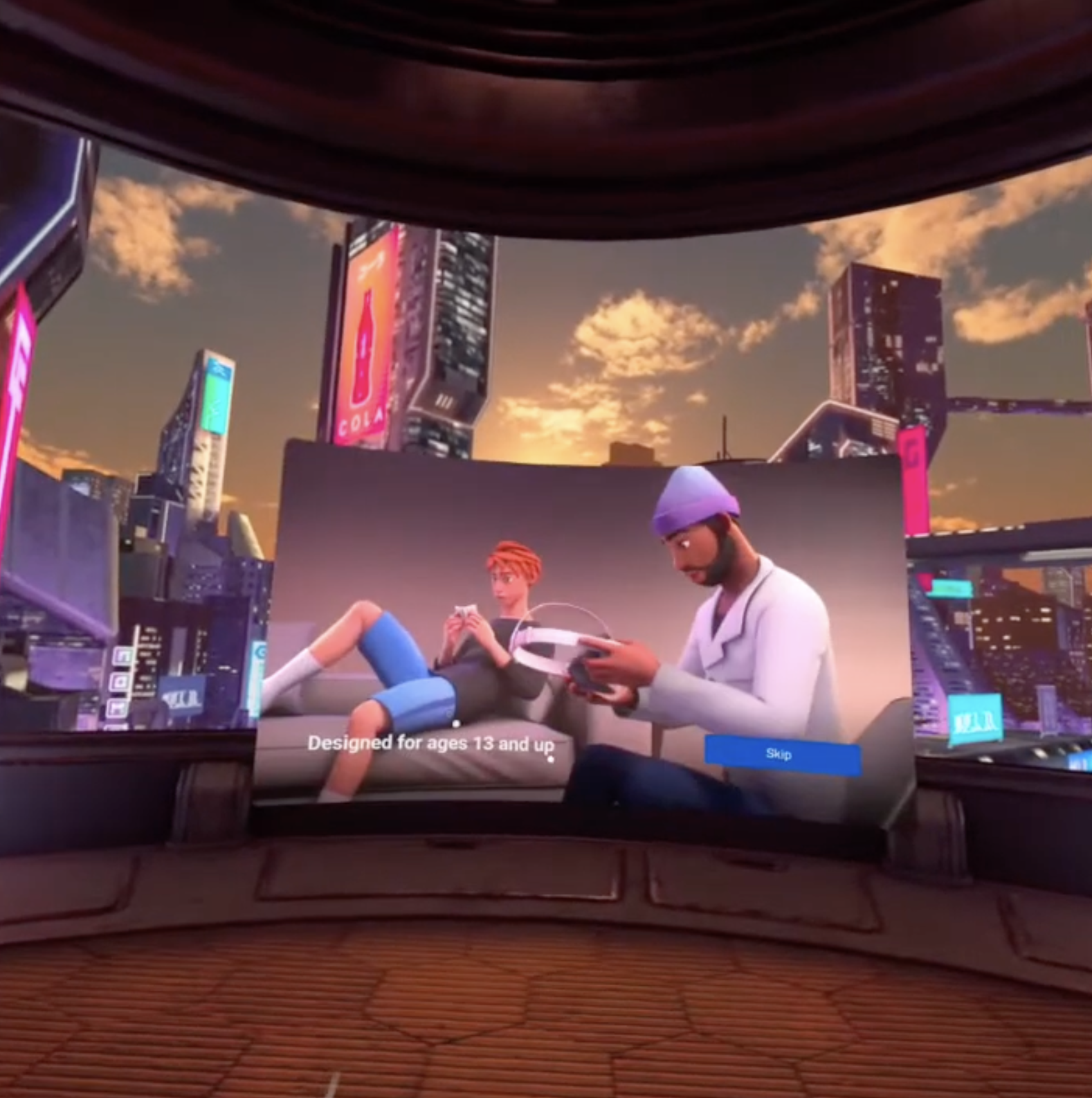
I led the Oculus (and later Quest) Art Team to design the environments, onboarding experiences, tutorials, and promotional visuals that introduced millions of users to VR.
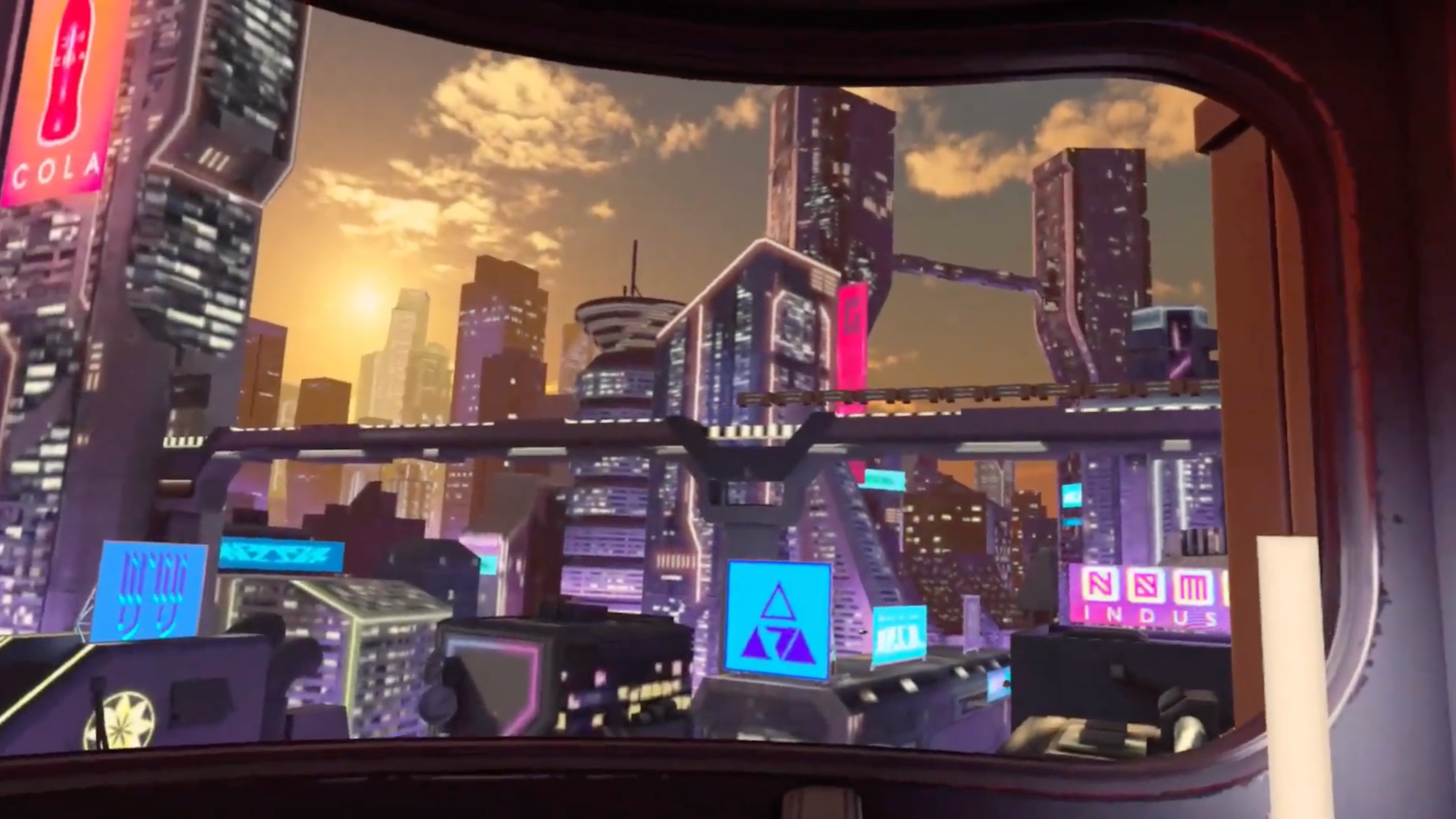
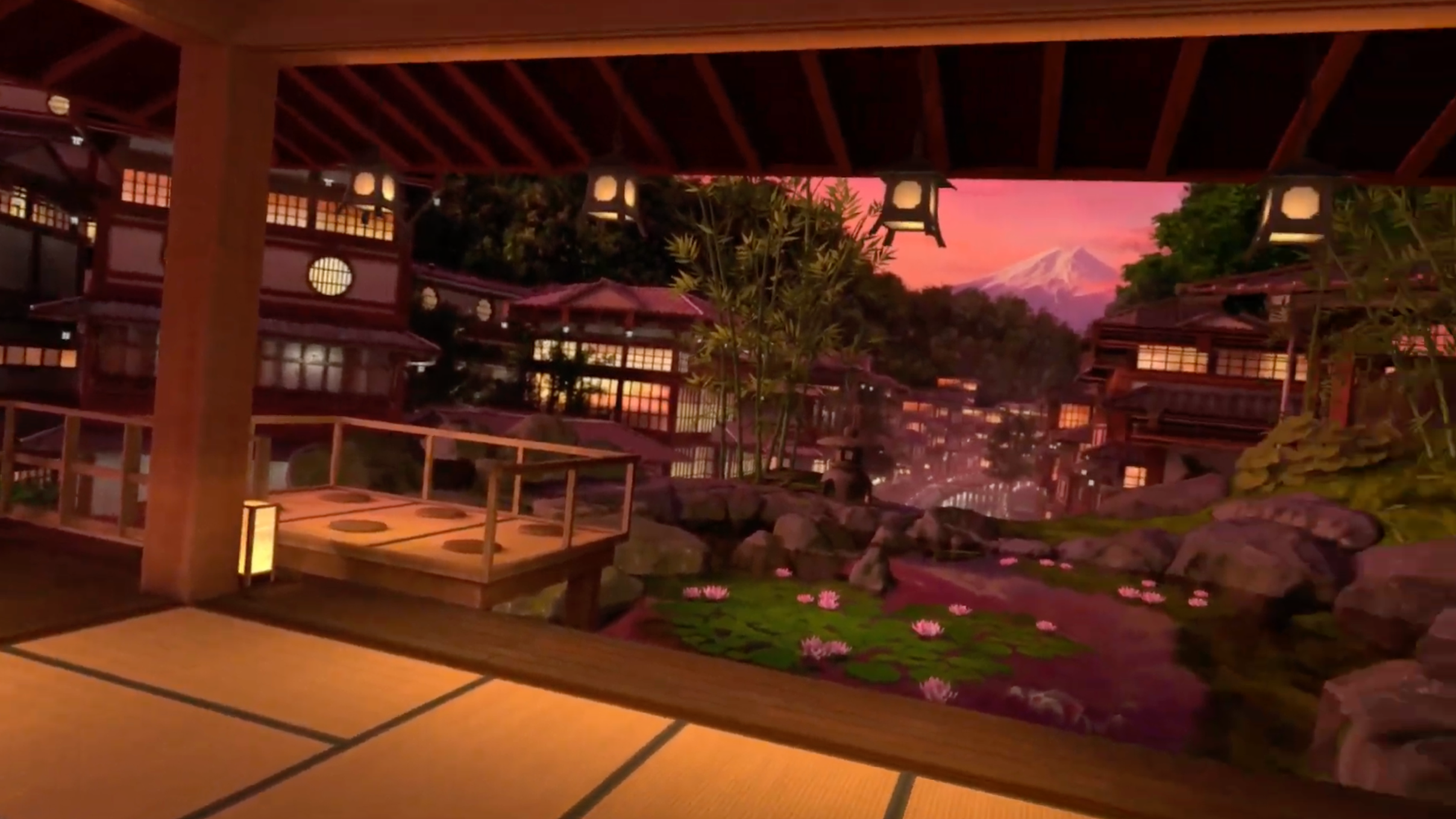
What I Did
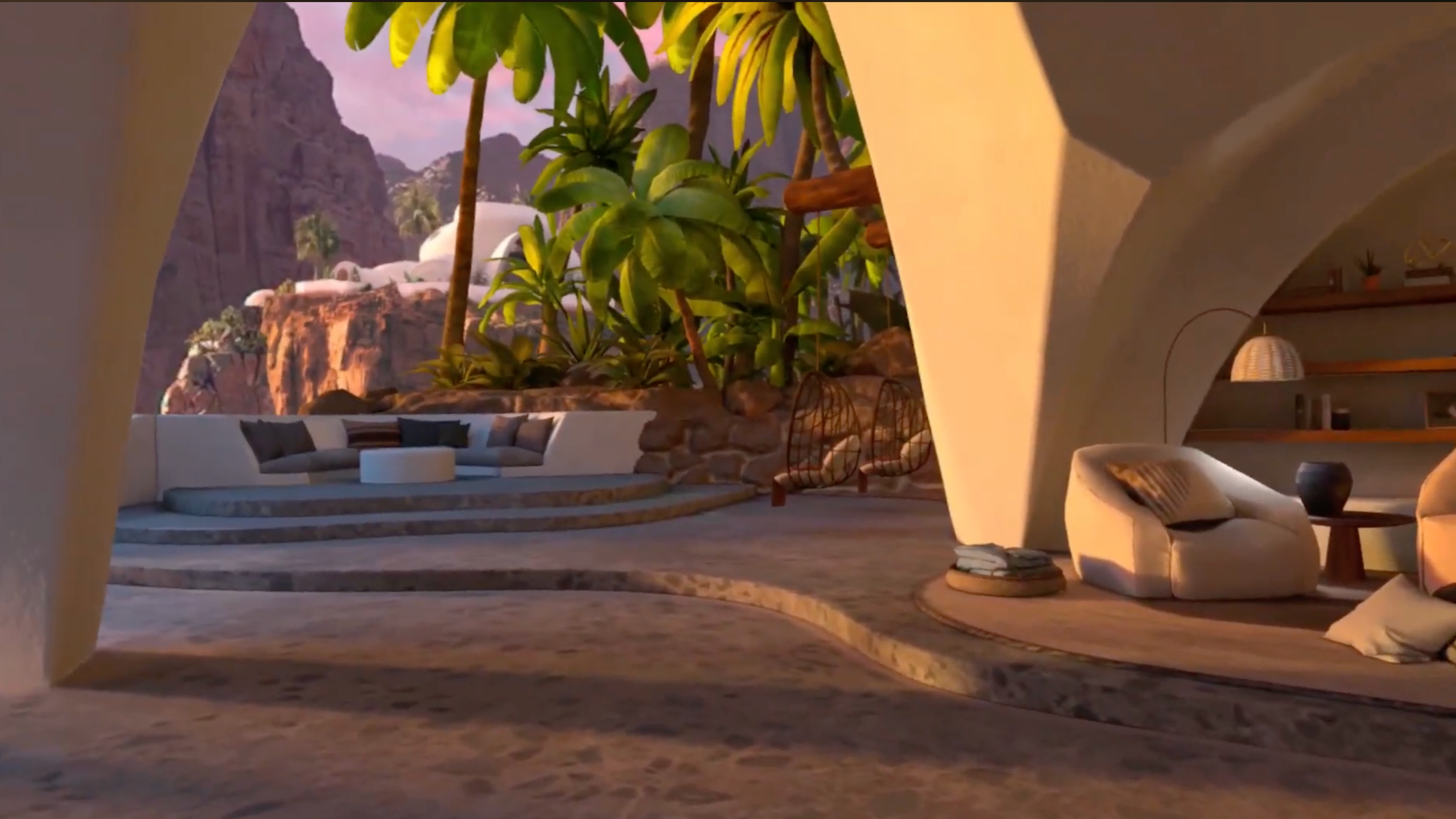
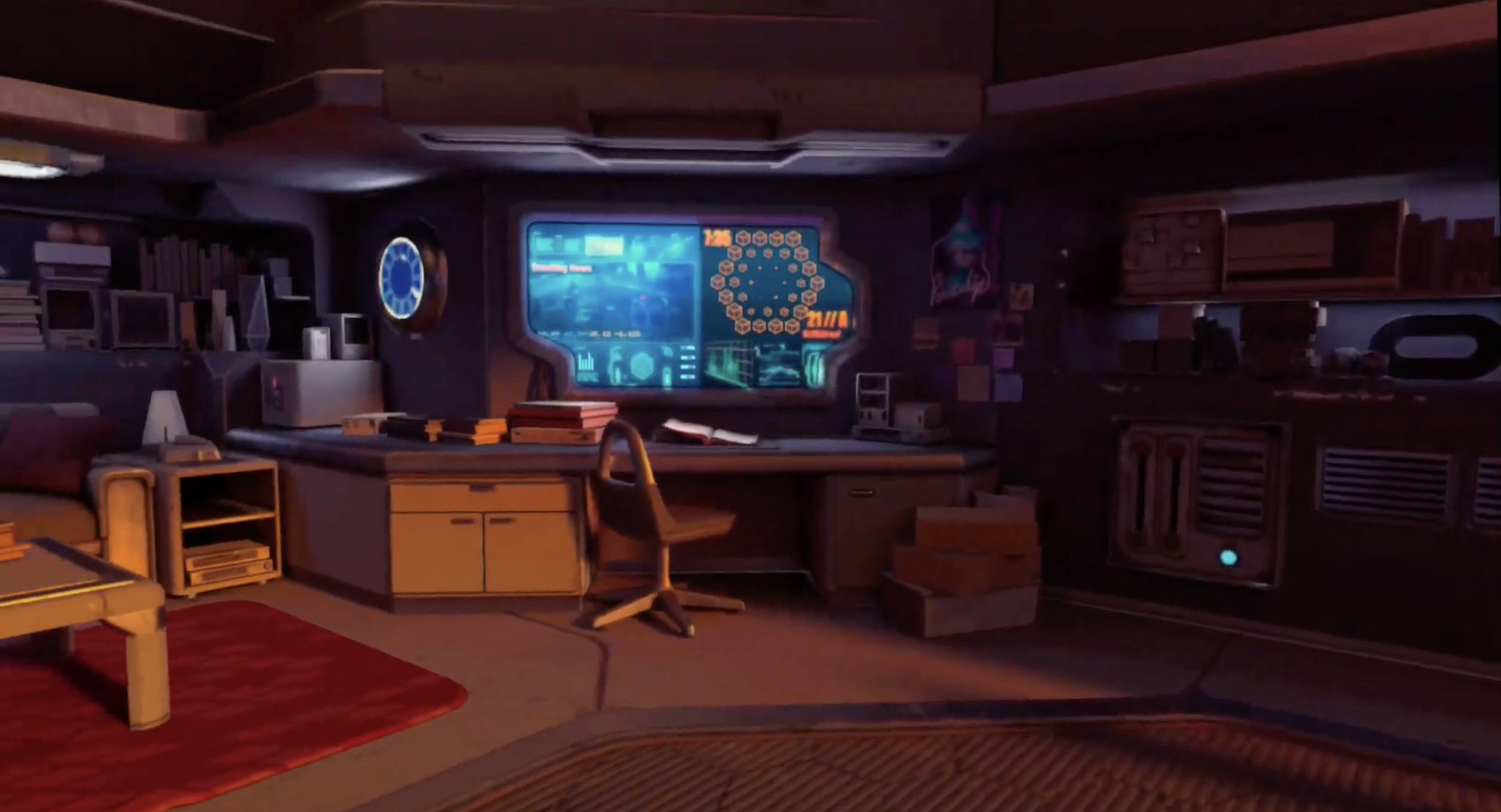
Led the Quest Art Team to create immersive system environments and onboarding experiences
Directed user onboarding videos, tutorials, and continued education visuals
Built flagship launch environments and promotional materials for Quest hardware releases
Created visual campaigns for worldwide launch – and a bespoke experience for Japan
Managed external studios across Asia and Europe to produce environments, video, and imagery at scale
Oversaw concurrent builds of launch environments in both our proprietary VR engine and Unreal for live event projection
Growing the Team
I started with a team of two (1 artist, 1 tech artist).
Over two years, I grew the organization to 20+ across:
Art
Technical Art
Animation
Motion Design
Production
This required proving ROI through delivery, influencing leadership for funding, and repeatedly demonstrating the value of craft in hardware adoption.
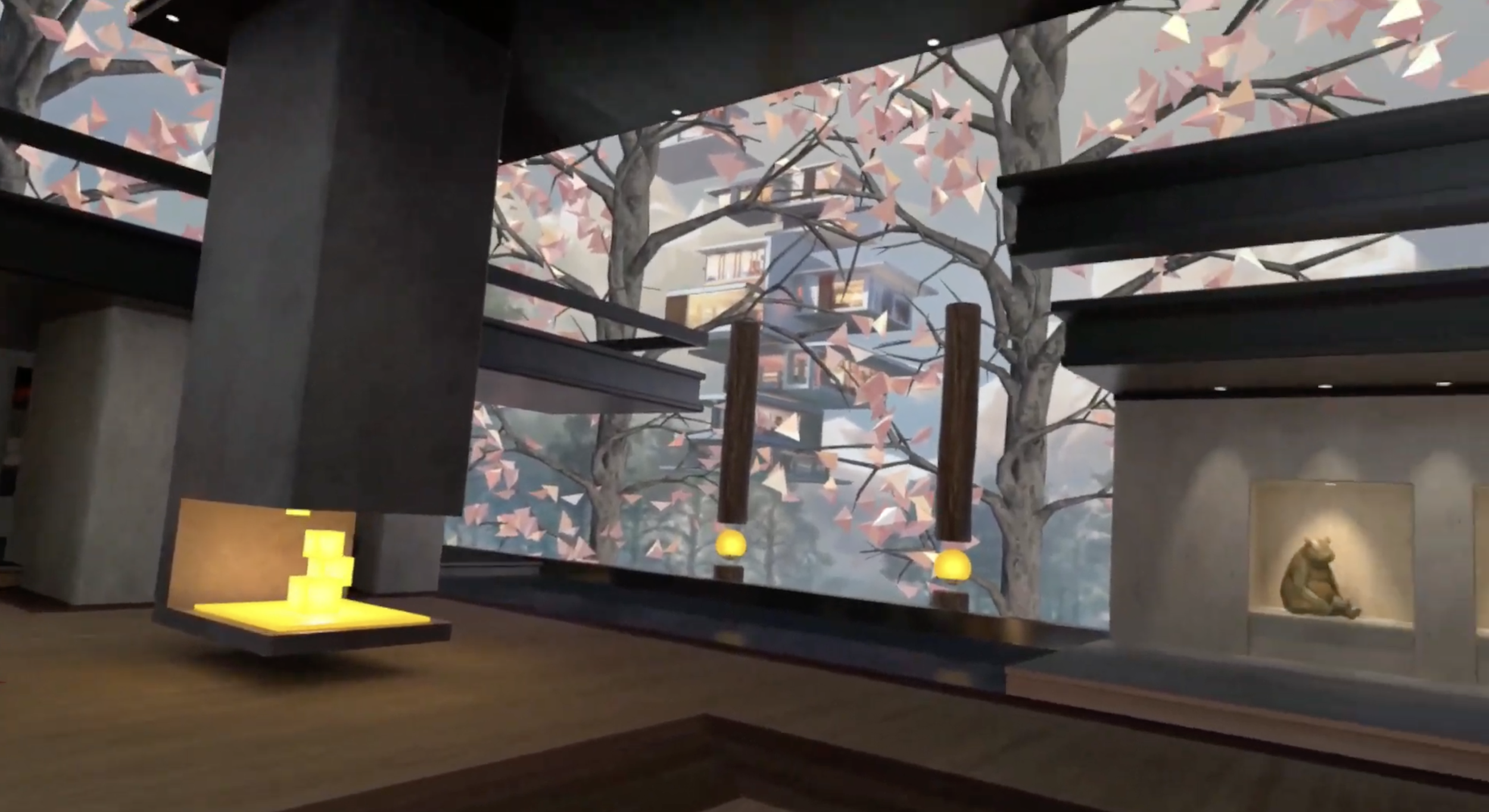
The Creative and Technical Challenge
These environments had to:
Run in real time on headset at the onboarding moment
Be lightweight enough to support multiple concurrent system processes
Create a sense of awe, excitement, and life - large vistas, ambient animation, a high level of detail, and interesting breakup of the user’s main space as well as the wider world
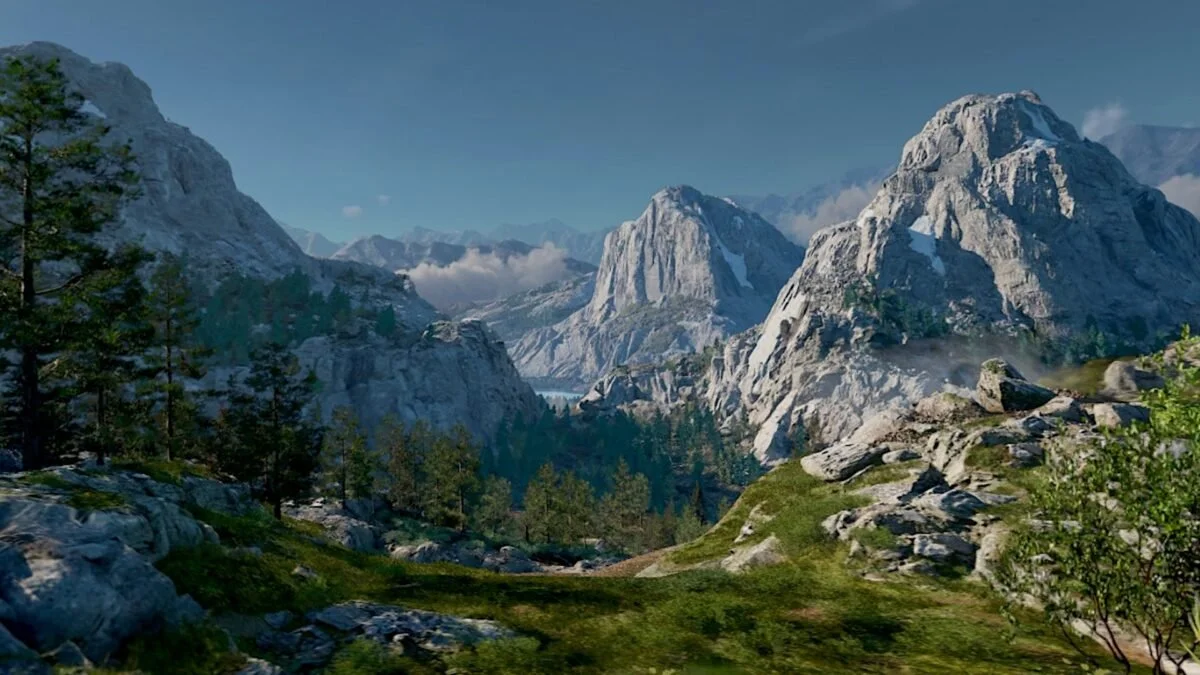
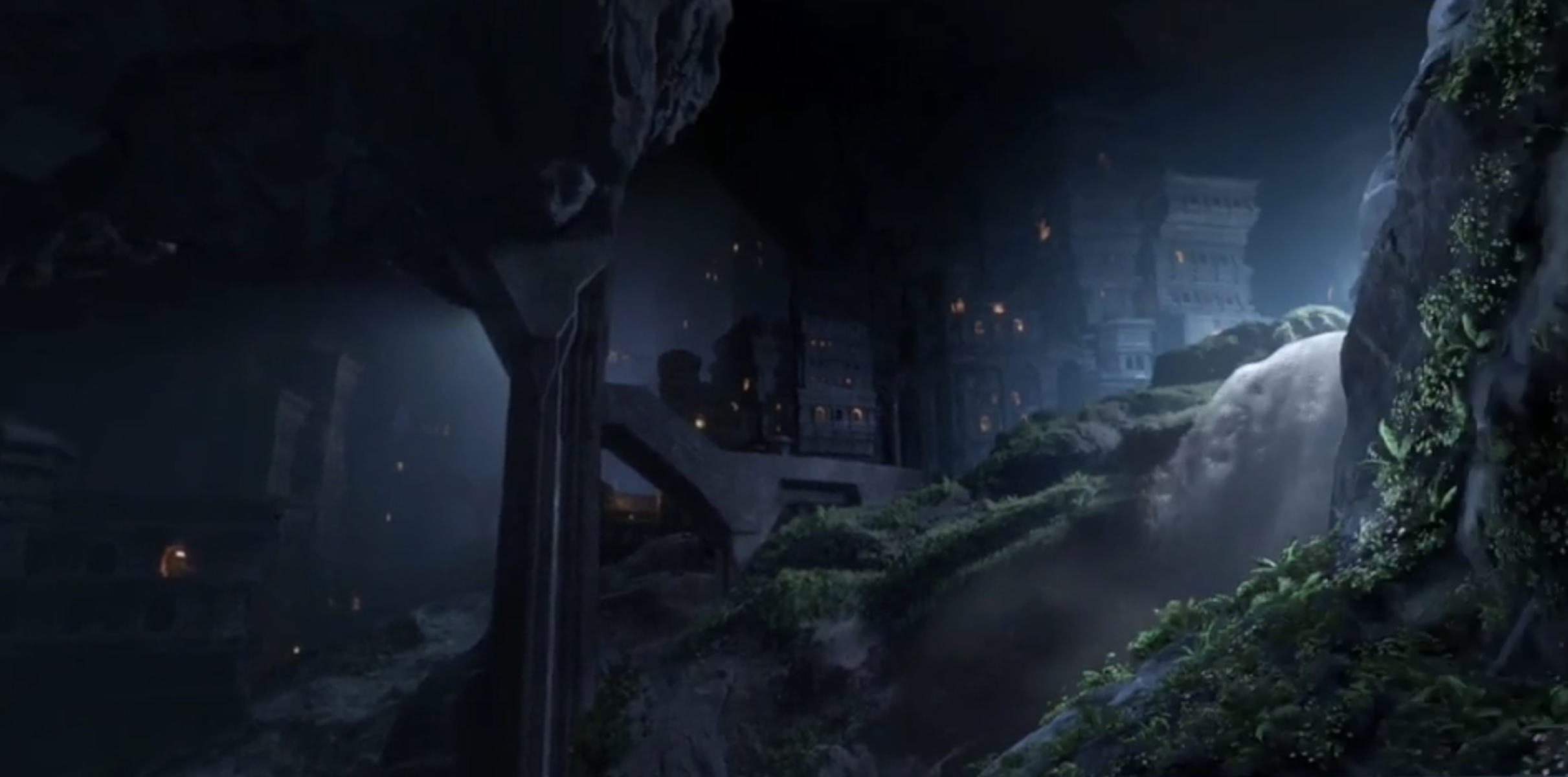
Working with IP
We created worlds for beloved IP, like Myst, and Lord of the Rings. These were limited time releases to mark movies or game launches, and we worked directly with those game and movie teams to make sure that we stayed true to their vision.
Flagship Event Creative
Some of our VR environments were also used as volume stages, where they were projected at scale on LCD screens at live events using Unreal (technology similar to that used for filming The Mandalorian).
This meant that we had to maintain concurrent builds of the same experience, in our proprietary engine as well as Unreal.
It was pretty tricky; the VR build had to be super light to run real-time on headset, while the set had to look very crisp at large size. Both had to also support constant ambient motion.
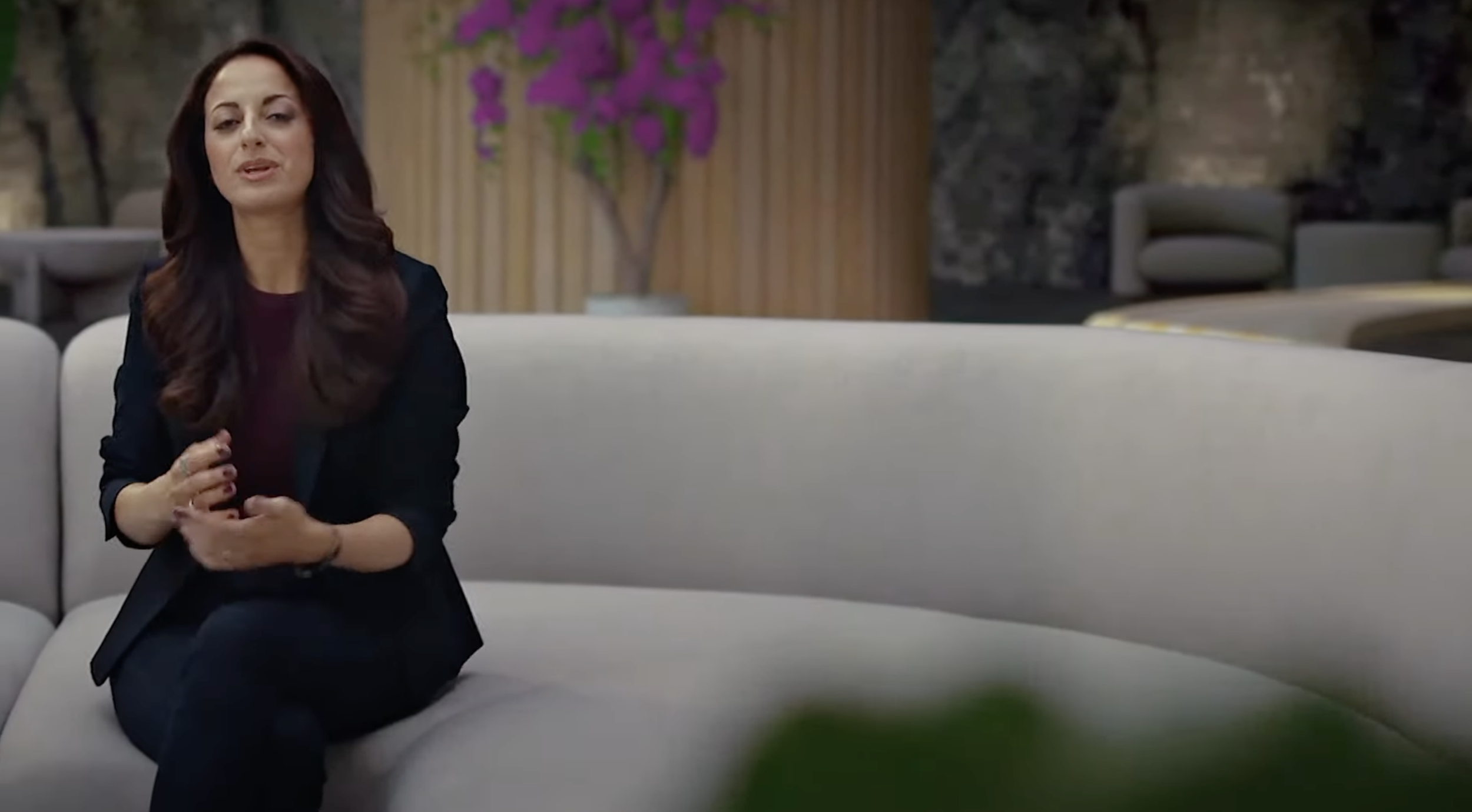
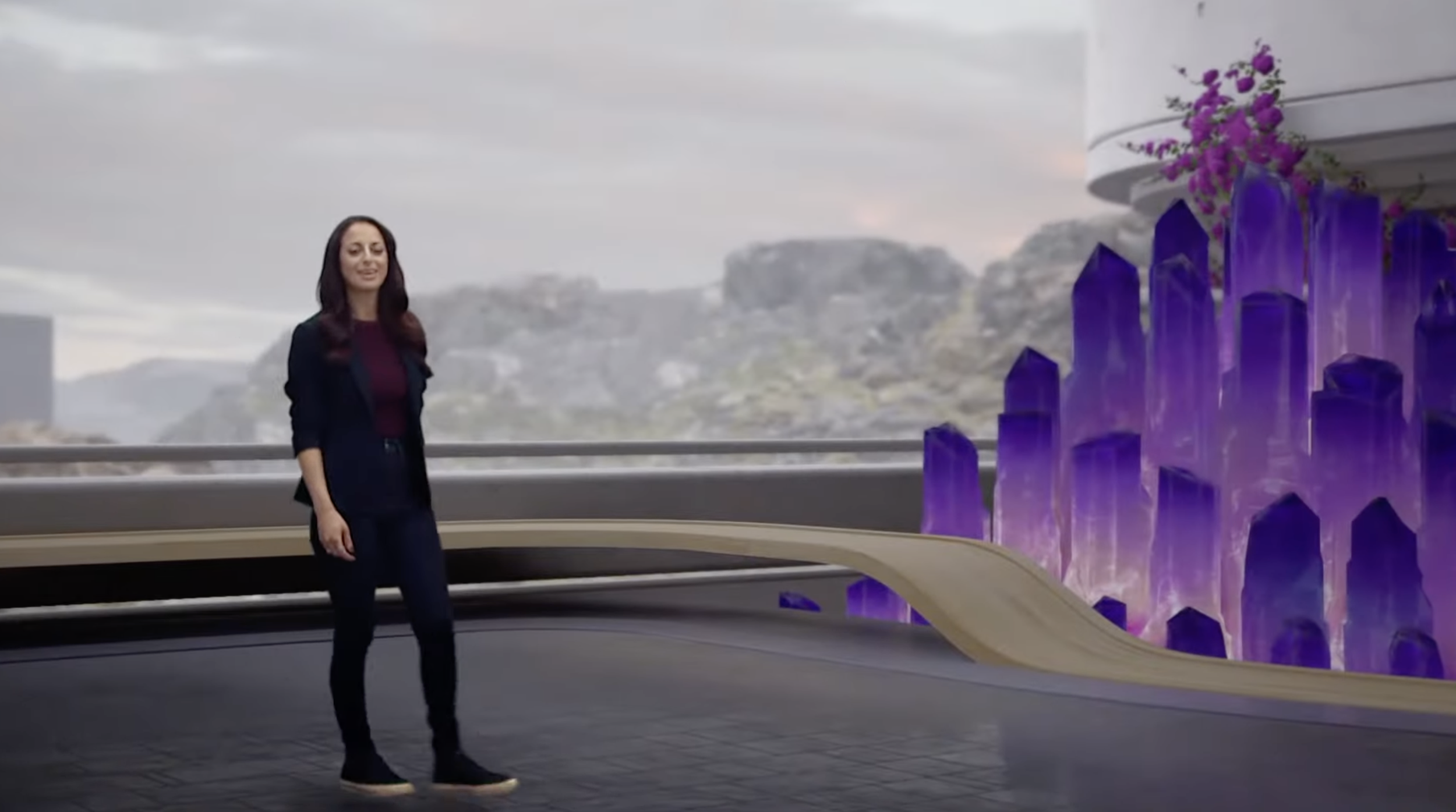
These environments had to be created very quickly, while working in lock step with the lighting, furniture, plants and set dressing for the IRL stage. The shoot was in LA, our team was in SF / Seattle, working with other studios in Europe.
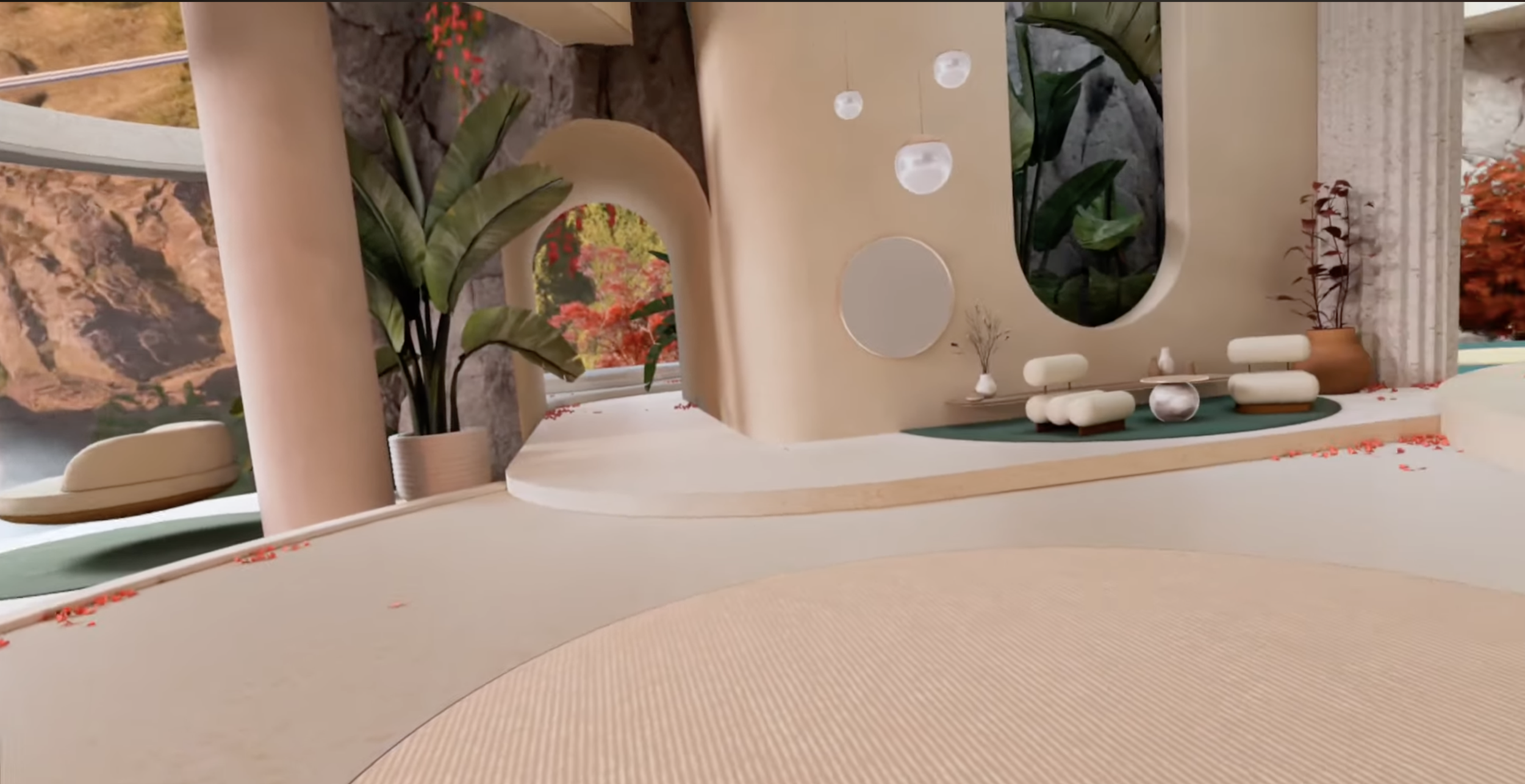
Quest Pro Launch Suite
When we launched the Quest Pro, we created a whole new suite of visuals that were more polished and restrained, to reflect the higher quality of the hardware.
We adopted swooping curved lines that echoed the shape of the headset (previously, we took delight in sneaking in easter eggs of the oculus logo into our environments, long after we had become “Quest”.
Incidentally, I also had to handle rebranding all our educational visuals to say “Quest” instead of “Oculus” in a very short period of time. The job kept me on my toes.
Educational Content as Narrative
Onboarding included:
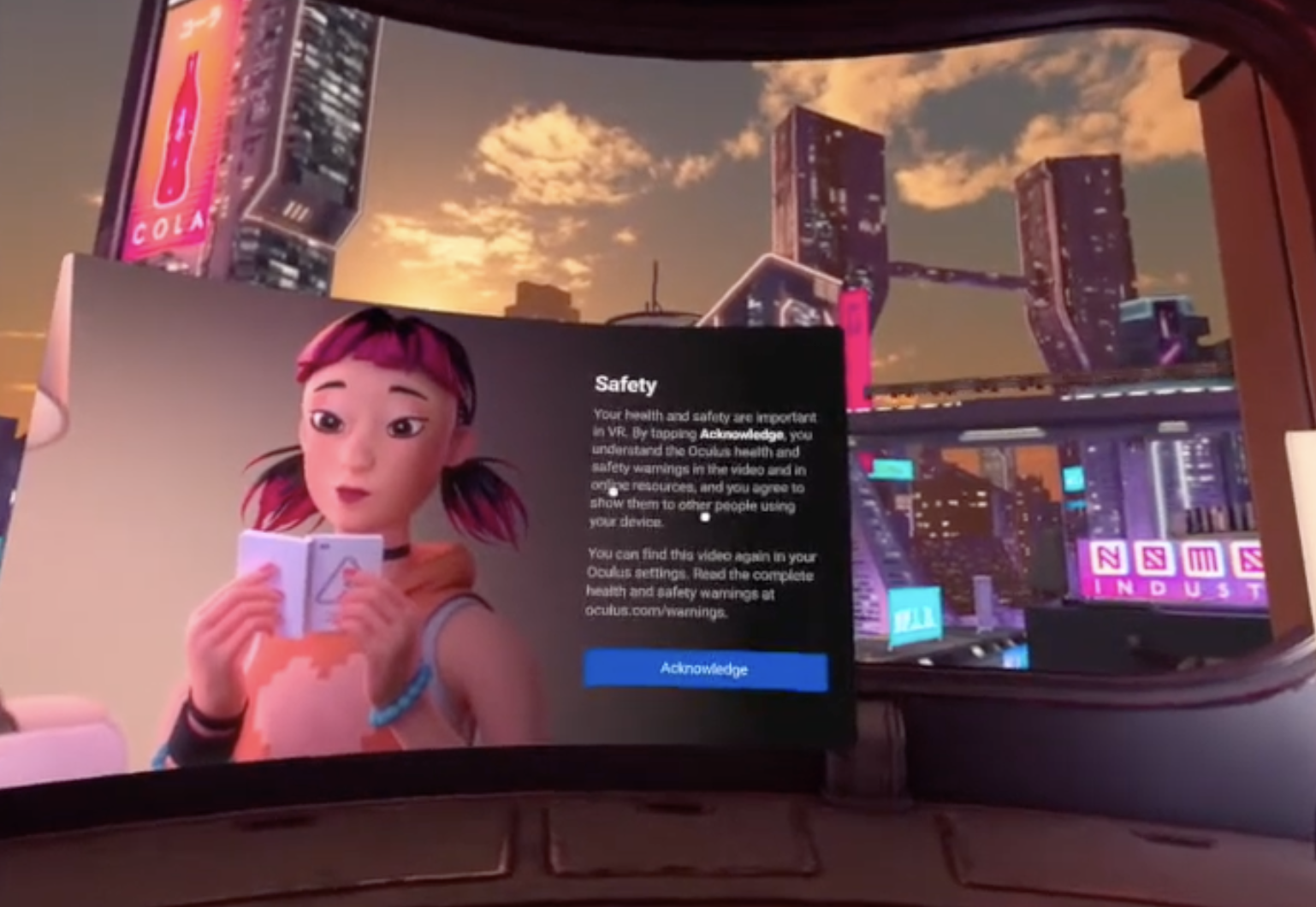
Health and safety guidance
Headset fit adjustment
Eye and hand tracking setup
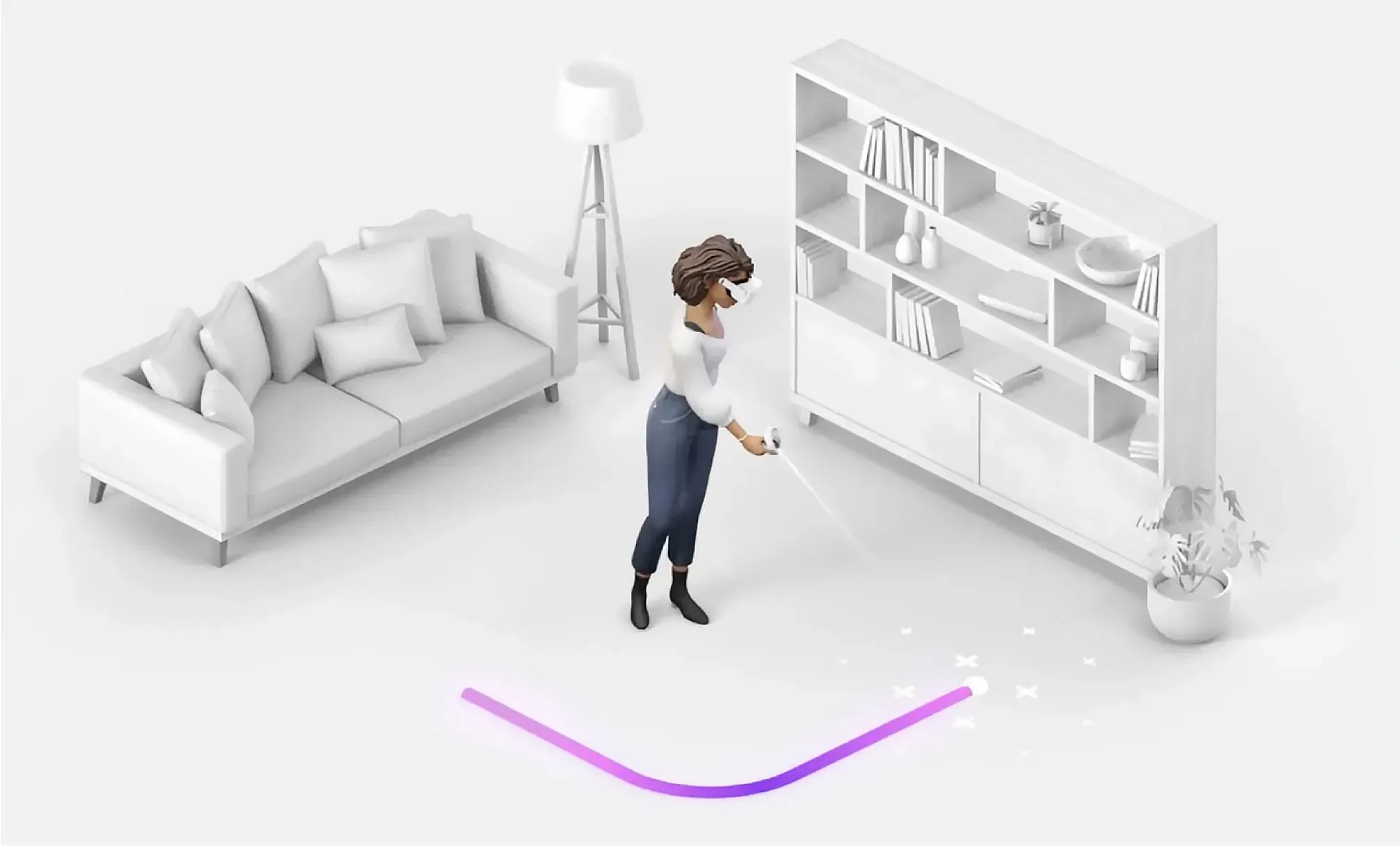
Guardian / room boundary configuration
Continued education for new features
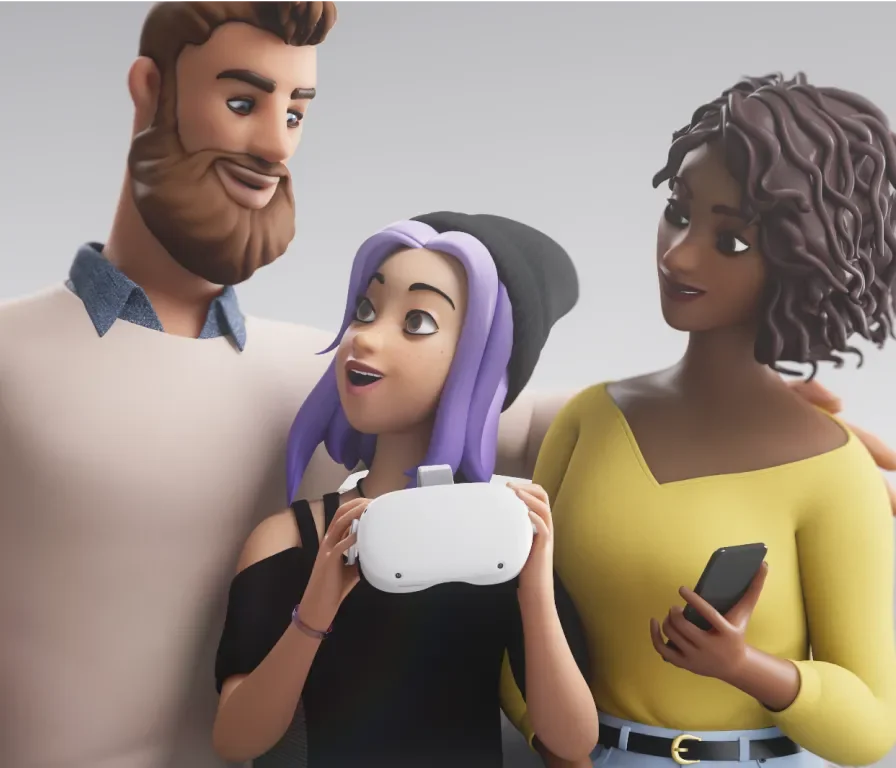
Rather than treating these as dry compliance moments, I led the team to lean into narrative.
We abstracted instruction into character-driven storytelling.
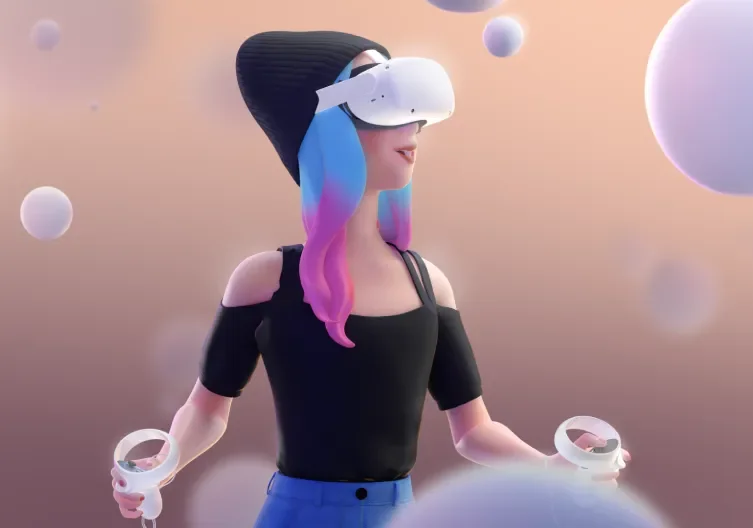
We developed a cast of “educational characters,” each with a backstory and personality:
The sporty adventurer
The parental safety guide
The creative explorer
The professional multitasker
The gamer
The movie lover
Each represented a use case and emotional tone.